
Giving a car a new lease of life without reaching for a spray gun has never been more popular, and vinyl wrapping sits right at the heart of this trend. From boy-racer boot lids to fleets of vans criss-crossing the motorway network, wrapping has become the go-to method for reinventing a vehicle's look while keeping the original bodywork tucked safely underneath. It's a craft that blends style with practicality, and increasingly, a genuine concern for the planet.
At a glance
- Vehicle wrapping offers a reversible way to customize a car's appearance by applying adhesive-backed vinyl films over the original factory paint.
- Professional installation using specialized heat and tension techniques ensures a smooth finish while protecting the underlying bodywork from damage.
- The industry is increasingly shifting toward sustainable, PVC-free materials like thermoplastic olefin and PET-based films to reduce environmental impact.
- A wrap's durability is determined by the quality of the material and the skill of the fitter, with premium brands resisting fading and peeling more effectively than budget alternatives.
- Wrapping serves as a versatile aesthetic tool, allowing for everything from full-body color changes to partial coverage and bespoke commercial fleet branding.
- Choosing to wrap a vehicle instead of repainting is considered a lower-emission alternative that avoids the use of harmful solvents and energy-intensive bodyshop processes.
- The market for eco-friendly vehicle solutions is projected to grow by approximately 7% annually as consumer demand for sustainable automotive practices continues to rise.
Understanding vehicle wrapping: techniques and materials
The Fundamentals of Vinyl Film Application on Bodywork
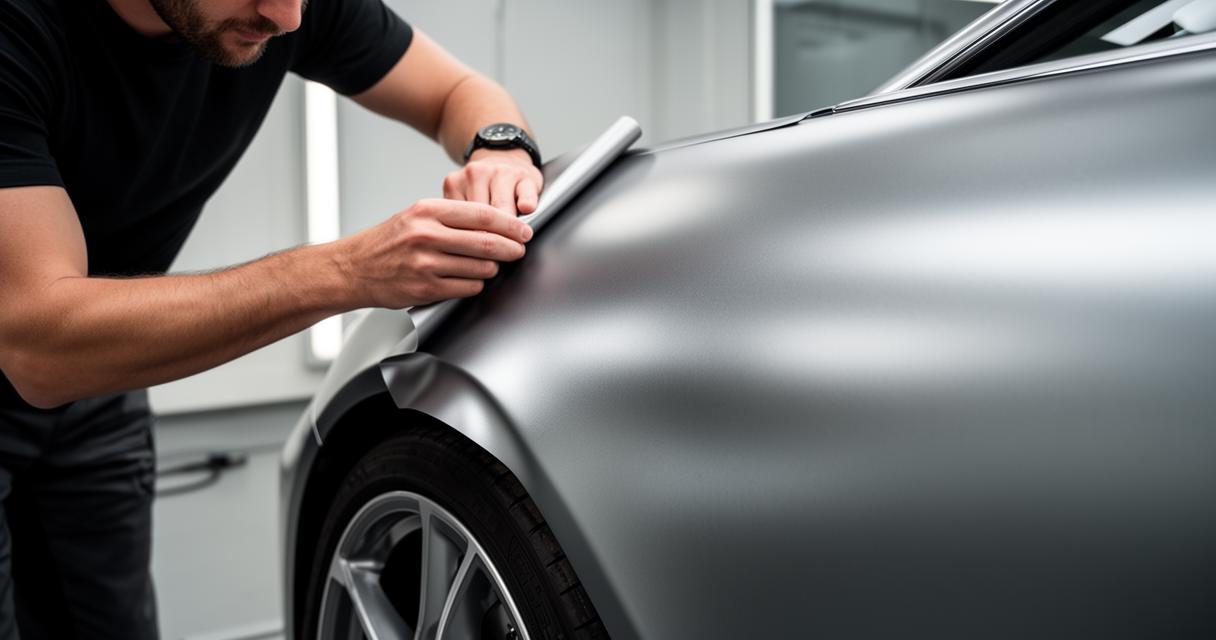
At its core, vinyl wrapping involves applying an adhesive-backed film directly onto a car's panels, transforming the exterior without touching the factory paint hidden beneath. Fitters use heat guns and squeegees to coax the material around curves, mirrors, and door handles, stretching it into place until every contour is covered smoothly. This method has become a mainstay of car styling UK drivers know well, largely because it offers a reversible way to change a vehicle's appearance. Rather than committing to a permanent respray, owners can experiment with colours and finishes, safe in the knowledge that the original paintwork remains protected and preserved underneath the film.
Exploring finish options: glossy, matte, and carbon variations
One of the joys of wrapping lies in the sheer variety of finishes on offer. Glossy films replicate the shine of showroom paint, matte options give a subdued, almost velvety look, and carbon-effect textures lend a sporty edge favoured by performance car enthusiasts. Beyond aesthetics, there's growing interest in materials that tread more lightly on the environment. Traditional PVC-based wraps have long raised environmental concerns due to the chemical adhesives and non-biodegradable waste they generate once removed. In response, manufacturers have started producing sustainable car wraps made from recyclable materials such as thermoplastic olefin, often shortened to TPO, and PET-based films. These alternatives fall under the broader category of PVC-free materials, and they're proving especially popular among drivers keen to make greener choices without sacrificing visual impact.
Longevity and maintenance: ensuring your wrap's durability
Factors Affecting the Lifespan of Adhesive-Backed Films
How long a wrap lasts depends heavily on the quality of the film and the skill involved in fitting it. Premium brands such as 3M graphics or specialist products from companies like TeckWrap tend to outperform budget alternatives, resisting fading, cracking, and lifting at the edges for considerably longer. Weather exposure, how often the car is washed, and where it's typically parked all play a part too, with vehicles kept under cover generally faring better than those left out in all conditions. It's worth noting that eco-friendly designs also tend to reduce printing waste and use minimal ink during production, which adds another layer of environmental benefit alongside the physical durability of the finished wrap. For those tracking wider industry trends, it's encouraging to see that in 2024, electric vehicle registrations in the UK grew by 17.8%, reflecting a broader shift towards greener motoring that dovetails neatly with the rise of eco-conscious wrapping materials.
Professional installation and safe removal without paint damage
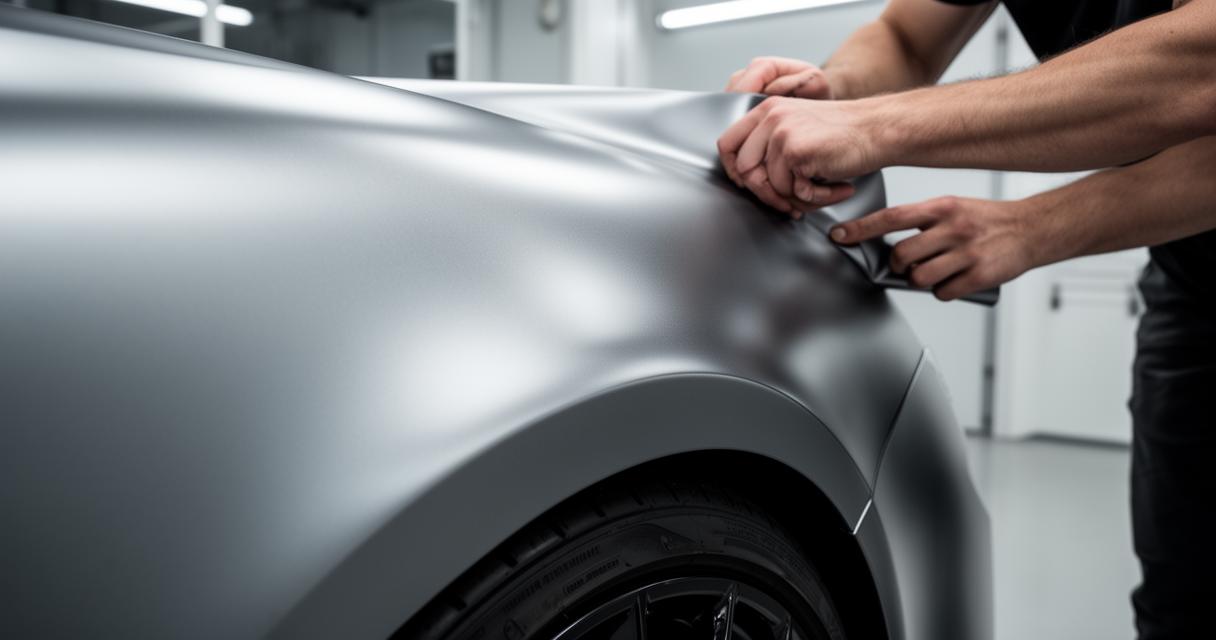
Getting a wrap fitted properly makes all the difference, both to how it looks and how long it survives. A rushed or amateur job can trap air bubbles, leave seams visible, or worse, damage the paint underneath when the film eventually comes off. Professional installers understand exactly how much heat and tension to apply, ensuring the vinyl adheres evenly without stressing the factory finish. When it's time for a change, the film can be peeled away cleanly, leaving the original paintwork intact and ready for a fresh style. This makes wrapping a genuinely low-emission installation choice compared with repainting, since it avoids the fumes, solvents, and energy-intensive processes associated with traditional bodyshop work.
Personalisation and investment: creating your unique motor vehicle aesthetic
Custom Artwork and Partial Coverage for Individual Expression
Wrapping isn't limited to a single block colour spread across the entire car. Many drivers opt for partial coverage, perhaps wrapping just the bonnet or roof, or commission bespoke artwork that turns their vehicle into a rolling canvas. Businesses have caught on too, with fleet branding becoming a familiar sight on motorways and city streets alike. Companies such as Popin Graphics, recognised as a 3M Select Graphic Provider, offer digitally printed liveries, signage, and design consultation services that help organisations project a professional image while supporting sustainable fleet management. Sectors including logistics, construction, education, and electric vehicle operations have all benefited from this approach, using wraps to extend the working life of their vehicles while reducing the need for repainting.
Pricing considerations and complementary enhancements like tinted windows
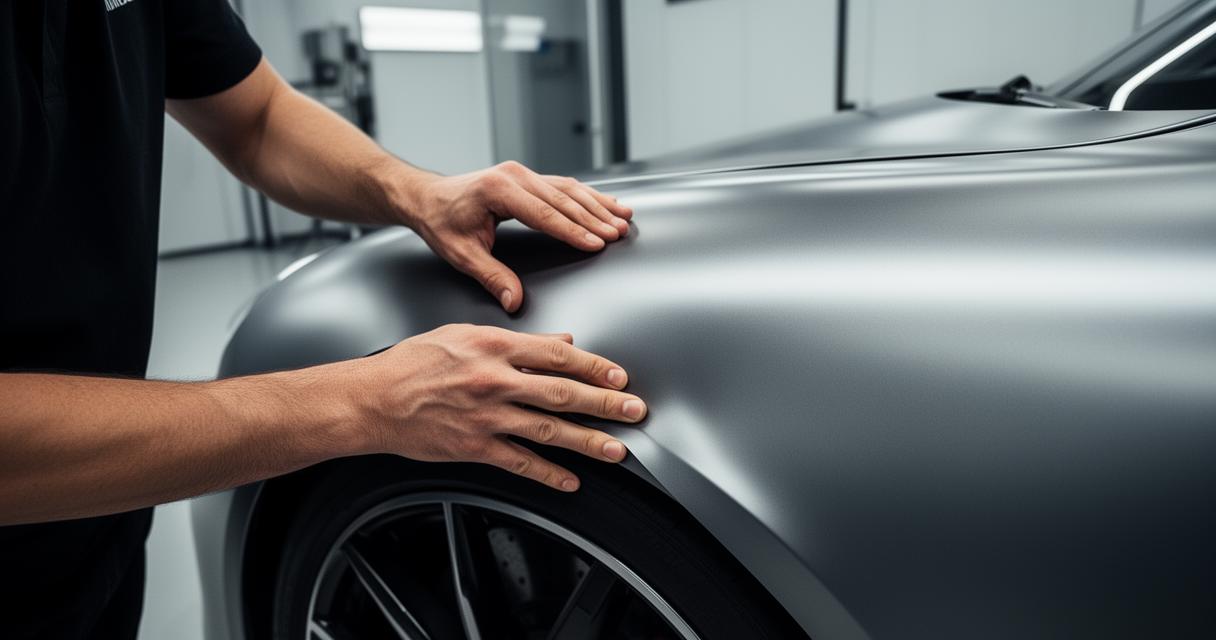
Cost remains an important factor for anyone considering a wrap, and it's worth remembering that quality has a price. Cheaper films might look tempting initially, but they often fall short in terms of longevity, meaning a false economy in the long run. Drivers value eco-friendly auto solutions, with over half showing genuine consideration for sustainability when choosing services, though it's fair to say that biodegradable wraps can carry a higher price tag and remain less widely available than conventional options. Many owners choose to pair their wrap with complementary touches such as tinted windows, rounding off the overall aesthetic. Looking ahead, the market for eco-friendly solutions is predicted to grow by around 7% annually, suggesting that environmental impact considerations will only become more central to how people approach vehicle personalisation. Some providers now offer an ESG Impact Dashboard, allowing customers to track the environmental, social, and governance aspects of their wrapping choices, reinforcing the idea that every wrap can play a small but meaningful role in broader corporate sustainability strategies and carbon reduction goals.